
Palo Alto Networks just agreed to spend $4.5 billion on Applied Compute, a startup that fine-tunes open-weight models in public and sovereign clouds. Cute week for a shopping spree. F5 dropped an out-of-band patch for ten NGINX bugs, Rapid7 published a working unauthenticated remote code execution proof of concept, and PHP said every supported version gets a critical fix on November 19 between 2:00 and 2:30 p.m. UTC. Your cybersecurity work is a reverse proxy that has been reachable over HTTP/2 since 2015, plus a graceful reload that will leave the old workers running.
HTTP/2 on a static box was enough
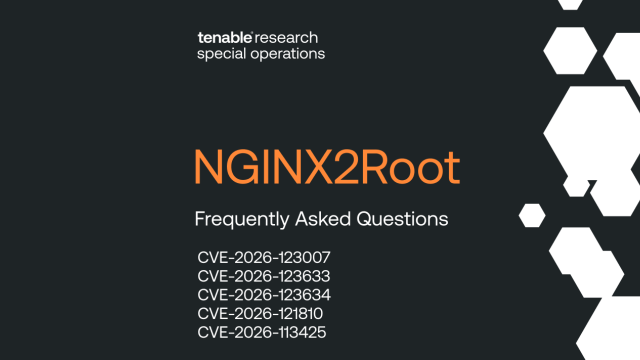
Xint, Theori’s research shop, bundled five critical NGINX remote code execution bugs under the name NGINX2Root. F5 and nginx.org do not use that name, and you shouldn’t wait for it to show up in a vendor dashboard before you move. The flaws are memory-corruption bugs in HTTP/2, HTTP/3, the resolver, and the mail proxy. A bug is live only if that feature is on. For the one that should already be in the queue, the feature is HTTP/2 over TLS.
CVE-2026-123007 is the noisy one. CVSSv4 9.2. Unauthenticated RCE in ngx_http_v2_module. HTTP/2 support landed in 1.9.5 in 2015, and this bug has been riding along since. Wiz got code execution against an NGINX instance that served static files and nothing else. No application logic. No bonus modules. The brochure site you called low-risk is in scope.
The proof of concept is public. Rapid7’s Stephen Fewer published analysis on November 18 and put a GitHub repo in the world with a crash trigger and a full unauthenticated RCE demo against NGINX 1.31.8 in Docker. Researchers describe the working exploit as choosy: a glibc memory-copy path on x86-64, a huge pile of HTTP/2 traffic, ASLR that has to be beaten by pulling heap addresses out of responses, and NGINX’s one-hour connection limit, which will save painfully slow links. Wiz has working exploits and is sitting on them. Xint posted demo videos and left out the last steps. Treat that as a delay, not a gift.
As of November 18, nobody credible is reporting zero-day abuse, and these CVEs are not on CISA’s Known Exploited Vulnerabilities catalog. That is the calm before scanners finish reading GitHub. If your threat detection is still tuned for brute-force noise on login pages, this will not look like that. Look for long-lived HTTP/2 sessions, worker crashes, and traffic volume that makes no sense for the site.
The other four criticals are not optional reading. CVE-2026-123633 is a second HTTP/2 hit. CVE-2026-123634 sits in the resolver. CVE-2026-121810 is HTTP/3. CVE-2026-113425 is the mail proxy. F5’s same drop also closed five more, including a TLSv1.3 issue scored 8.7. Flip HTTP/2 off and go to lunch, and you left three criticals standing.
A reload is theater. Restart the workers.
Xint put the operational landmine in plain language: you must restart NGINX after the upgrade. A configuration reload does not replace the running executable. You know this ritual. Package bumps, nginx -s reload, site stays up, ticket closes. The old workers keep serving. The new binary sits on disk like a brochure you never handed out.
Open source fixed versions are 1.30.7 stable and 1.31.9 mainline. Plus customers on 37.x want 37.0.8.1 or 37.3.0.1. R33 through R36 have no patch. Those boxes move to 37.x or they stay broken. Earliest affected lines go back to 0.5.x for mail proxy and 1.9.5 for the HTTP/2 RCE. Folklore about “we only use it as a reverse proxy” is not an inventory.
Mitigations buy hours. They do not replace the upgrade. Disable HTTP/2 and you cover CVE-2026-123007 and CVE-2026-123633 only. Pull QUIC and HTTP/3 listeners for CVE-2026-121810. Bind mail listeners to loopback or restrict them with a host firewall for the mail proxy bug. Point proxy_pass at a fixed upstream group and drop unused mirror directives for the resolver issue. Xint’s warning is the one to tape to the change window: HTTP/2 off is not a blanket workaround, and killing mirror does not retire CVE-2026-123634. Those knobs are time you purchased. They are not threat-protection you can put in a quarterly report.
Then there is the Linux kernel SCTP use-after-free Xint says can be chained from an NGINX worker to root, including out of Docker onto the host. No CVE as of November 18. Details are withheld pending a kernel patch. If the host does not need SCTP, block the module. Defense in depth here is unglamorous: worker compromise should die at the worker. A container still shares the host kernel, so an SCTP bug in that kernel is an escape hatch.
Do the cybersecurity work before the PoC gets less picky
You do not need a new platform for this. You need owners, versions, and proof the old process died. Run the list, then keep the hunt open for a few days after the restart.
- Inventory every NGINX you actually run: Plus, open source, distro packages, ingress controllers, containers, and appliances that embed it. Record whether HTTP/2, HTTP/3, mail listeners, resolver tricks, and
mirrorare on. Guessing is how you patch the demo box and miss production. - Upgrade to a fixed build, then do a full restart. Confirm worker PIDs changed and the on-disk binary matches the package you think you installed. A reload is not the change.
- If you cannot patch yet, apply the feature-specific mitigations and write an expiry on them. HTTP/2-off covers two CVEs. Mail and resolver still need their own fences. An edge firewall that only rate-limits 443 will not flag this until workers start falling over.
- Blacklist or unload SCTP on hosts that do not use it. Treat “NGINX in Docker” as still on the host kernel until a kernel fix ships.
- Stage the PHP security release for the same afternoon window. All supported PHP versions are in that drop. App servers and reverse proxies failing in the same change freeze is how you get a 14-hour incident response that should have been two maintenance tickets.
- Hunt after the restart: worker crashes, unexpected child processes, outbound callbacks from web workers, and HTTP/2 connections that look like a firehose. Security hardening after the fact includes taking mail listeners off public addresses and stopping NGINX from being the kitchen sink for every protocol you ever enabled.
Keep the playbook honest. If a worker was exploitable, assume it may have been. Snapshot, rotate secrets the process could see, and decide whether the host is still trustworthy. Cyber security theater is closing the CVE in the scanner while the old PID is still bound to 443.

PHP is on the same calendar. KEV is not your alarm clock.
PHP maintainers framed Wednesday’s advisory as part of the regular four-week cycle, with critical issues affecting all supported versions and fixes landing in a 30-minute UTC window on November 19. You already have a change freeze whether you wanted one or not. Teams that wait for “exploited in the wild” before they schedule a restart are volunteering to be the second victim. Public PoCs and language-runtime advisories are the SLA. CISA’s catalog is a lagging indicator.
Vendors will keep buying model shops and publishing agentic SOC slideware. That does not restart your workers. Palo Alto’s Applied Compute deal is a platform bet for people who run models. You still have to know which binary is listening on 443, which PHP pool serves the app behind it, and who is allowed to bounce those processes at 2 p.m. UTC without paging the whole company.
Expect the social layer to get stupid. Every 502 this week will be an “attack” in someone’s feed. Malwarebytes was right to tell people to stop letting timelines fill in the outage. Your job is versions, process tables, and logs. If the workers restarted, the PHP packages landed, and the SCTP module is gone from hosts that never needed it, you did the work. If the ticket says “reloaded config, scanner green,” you did a press release for your own change calendar.
Sources
- NGINX2Root (CVE-2026-123007): Frequently asked questions about five critical NGINX vulnerabilities
- PHP Warns of Critical Security Flaws Affecting All Supported Versions, Fixes Coming November 19
- Palo Alto Networks to Buy AI Startup Applied Compute for $4.5 Billion
- Outage or attack? Don’t let social media fill in the gaps
Take Control of Your Server Security
Don't let brute-force attacks slow you down. Try IPBan Pro risk-free for 30 days.
Secure. Automated. Lightweight.

Take Control of Your Server Security
Don't let brute-force attacks slow you down. Try IPBan Pro risk-free for 30 days.
Secure. Automated. Lightweight.