
People heard that 1Password’s vaults stayed locked and treated the incident like a near miss. That reaction is the mistake. A compromised employee GitHub account was enough to push malicious code and pull customer records, which is a full cybersecurity incident even when the password store never opened. If your playbook waits for vault, token, or firewall evidence before it pages, you have already decided GitHub is optional. Your users did not get a vote on that decision.
Your Cybersecurity All-Clear Came From the Wrong Console
The company that sells you a sealed vault just showed how much of your risk lives outside it. SecurityWeek’s reporting is blunt. An attacker used a compromised employee GitHub account, pushed hostile code, and stole customer records. Vaults were not accessed. File that last line as a product control. File the rest as a business incident.
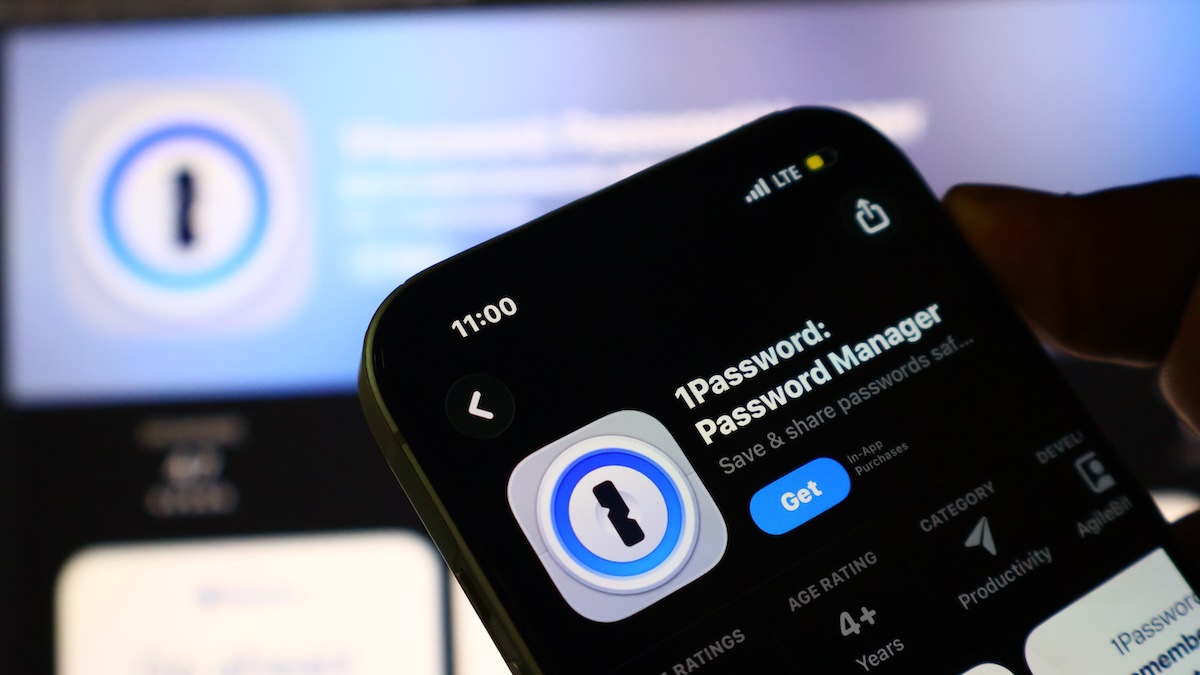
Customer records and internal source code are the company. The vault is one boundary around stored secrets. When you run cyber security for a bank, a hospital, or a SaaS shop, you already page for a CRM export that left CI. Do the same when developer identity fails.
GitHub is where identity, code, CI secrets, issue trackers, and customer-adjacent metadata sit in one org. An employee account with the wrong scopes is a privileged path. Hardware keys on the vault and a weaker GitHub login is a split standard, not defense in depth. Same humans. Different bars.
You will hear “vaults were not accessed” in vendor statements for the rest of the year. Translate it. The core crypto boundary held. That does not mean threat detection watched the developer plane. It does not mean incident response mapped what the malicious push could reach: Actions workflows, packages, deploy keys, GitHub Apps, personal access tokens, leftover webhooks, and every clone that pulled the commit before you reverted it.
If you are a 1Password customer, ask the questions you already ask payment processors. What does “customer records” include. Which GitHub repositories were in play. Whether hostile code ran in CI that can see tenant metadata. Which logs they will actually share, and for how long. Vault rotation is necessary. It is a terrible finish line.
This is a bad look for anyone who told the board that password-manager adoption closed the identity chapter. It closed one chapter. GitHub is still writing the next one.
North Korea Already Treats GitHub as a Loader Host
If 1Password is the targeted version of this failure, PolinRider is the volume business. The Hacker News, citing SafeDep, says a North Korea-linked crew poisoned more than 7,600 GitHub repositories with a Python loader. The activity may go back to February 2025. The loader hides in a small utils package or in conftest.py. When Python imports the file, it runs.
That pattern skips your login page. It bets that developers will clone, test, and import first, then ask provenance later. pytest loads conftest.py on its own. A utils package looks like glue every tutorial tells you to write. The filename is the lure.

Your threat-protection stack is tuned for email and the public web. A GitHub clone of an upstream you trusted last month does not trip those controls. The repo can be a fork of something real. The poison can sit in a file nobody reviews because it is “just tests.” Then a laptop, a CI runner, or an internal package index inherits the loader.
Platform teams that vendor public GitHub Actions have the same problem with a different filename. Python is this week’s loader. Next week it is a compromised action that prints secrets into a log you do not retain. Executable-by-default content on a trusted forge is the bug. The language is a detail.
Two different crews. One needed a single employee account inside a password company. The other needed thousands of public repos and time. Both treated GitHub as production infrastructure. Most org charts still treat it as a nicer file share.
Developer Identity Deserves Edge-Grade Hardening
Stop scoping this as a phishing cleanup. Scope it as privileged access that can mint code, CI, and customer exports. The edge will keep screaming. You still have to staff the forge.
Lock the org before you write the postmortem
- Pull a live inventory of GitHub org members, outside collaborators, SSO exceptions, personal access tokens, SSH keys, GitHub Apps, and self-hosted runners. Disable anything that cannot name an owner today. Orphaned bots are standing admin.
- Force SSO, hardware-backed 2FA, and org-approved identity for every private repo. Revoke standing PATs and replace them with short-lived, scoped credentials. This is security hardening, not a culture memo.
- Hunt the last 90 days of force-pushes, workflow file changes, new deploy keys, newly installed Apps, and unexpected releases. Treat a hostile commit as a possible customer-data path until you prove otherwise. Revert is containment, not forensics.
- On Python estates, search forks and vendored trees for surprise
conftest.pyfiles and strayutilspackages. Pin hashes. Block unsigned installs in CI. Assume import equals execute. - After an employee token theft, watch for brute-force against SSH, VPN, and admin panels that share passwords or reused tokens. Put fail-closed lockouts on those listeners with ipban or an equivalent. If you already run IPBan Pro, use it there. Lockouts do not replace GitHub org policy.
- Add GitHub as a tier-0 system in incident response. Tabletop a malicious push the way you tabletop a domain-admin login. Bring legal, customer comms, and source-integrity checks, not only vault rotation. Review org audit logs on a schedule, expire unused keys, and require two-person review on workflow files that can mint secrets.
Defense in depth on this plane is identity plus mandatory review plus runner isolation plus logs somebody reads. A quiet GitHub compromise will not show up as a firewall drop. If your SOC’s week is already full of internet-edge tickets, split the queue on purpose. The forge is production. Staff it like production.
Frequently Asked Questions
- If the vaults were not accessed, do we still treat this as a customer incident?
- Yes. Customer records and source code are enough to open incident response, notify, and assume downstream risk. An intact vault answers one crypto question. It does not close exposure, integrity, or comms.
- How is PolinRider different from an employee GitHub takeover?
- One is mass poisoning of public repos that developers import. The other is a privileged account inside a vendor you already trust with secrets. You defend both by treating GitHub content and GitHub identity as executable production, not as a code closet.
- What GitHub signal should page the on-call?
- New PATs, new GitHub Apps, workflow file edits on default branches, unexpected releases, and pushes from accounts that skipped SSO. Those events are closer to a privileged login than to a noisy scan. Alert on them with the same seriousness you give to admin-console access.
Sources
- 1Password Breach Exposes Customer Data, Internal Source Code
- North Korea-Linked PolinRider Poisons Over 7,600 GitHub Repositories to Spread Malware
Take Control of Your Server Security
Don't let brute-force attacks slow you down. Try IPBan Pro risk-free for 30 days.
Secure. Automated. Lightweight.

Take Control of Your Server Security
Don't let brute-force attacks slow you down. Try IPBan Pro risk-free for 30 days.
Secure. Automated. Lightweight.