
The cheap Android your contractor carried onto the floor last month may have clocked in already working for someone else. Researchers tracking a campaign they call Midnight Mimosa say banking-style malware is landing preinstalled in the firmware of budget handsets and tablets across more than 150 countries. That is a cybersecurity failure at the receiving dock, before any packet hits your firewall.
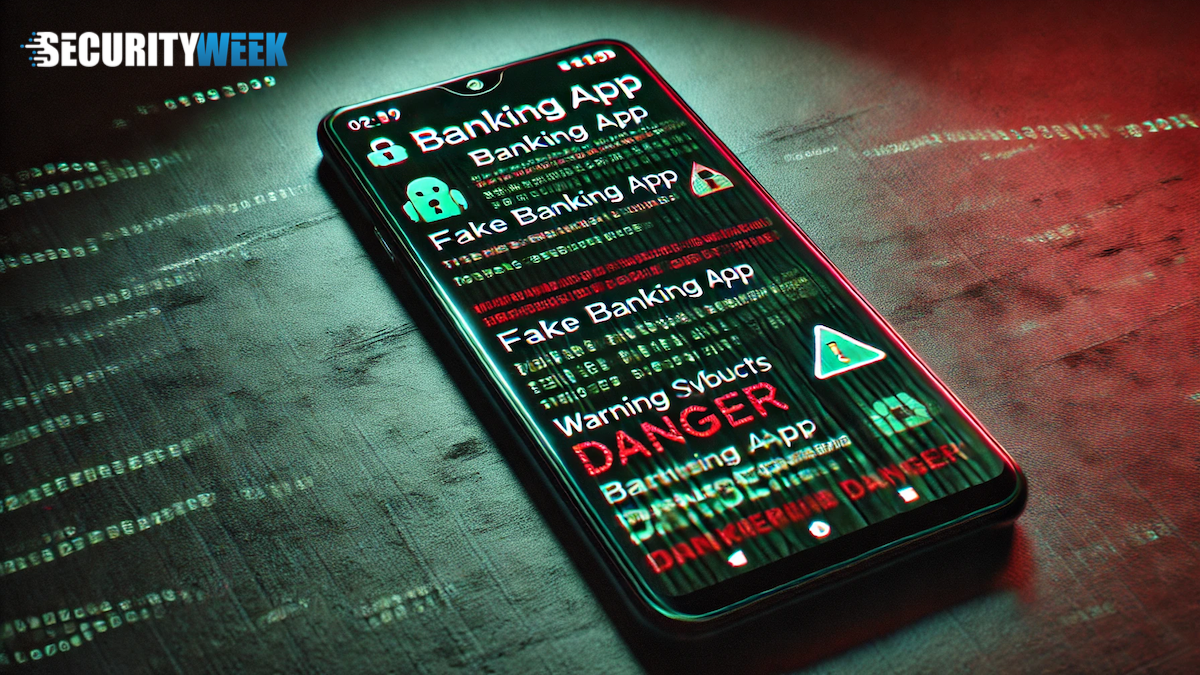
You can factory-reset a consumer phone and feel productive. Firmware-resident implants survive that ritual. Uninstalling a Play Store icon does nothing to code the factory flashed before the shrinkwrap went on. Once the device joins corporate Wi-Fi, your threat-protection stack sees a named employee endpoint. The implant sees credentials, session cookies, and the banking or SSO apps the user needs to do actual work.
Unboxing Is Too Late for Threat Detection
Midnight Mimosa is ugly because it inverts the order of operations you trained people on. Security awareness says don’t sideload junk. MDM says enroll before you grant Wi-Fi. Procurement says the $90 tablet is good enough for inventory scans. None of those controls inspect the image that shipped from the assembler.
Budget Android is how a lot of real businesses actually run: warehouse scanners, visitor kiosks, driver phones, clinic check-in pads, contractor BYOD that finance prefers to a managed flagship. Those devices sit inside the same VLAN as printers and badge readers. Your firewall policy already trusts Android on CORP-WIFI. The implant needed a purchase order and a corporate SSID.
Personal banking trojans on a work device still become a business problem. Overlay attacks steal the session for the corporate bank portal the AP clerk opens on the same screen. Accessibility-service abuse reads MFA codes. Stolen cookies walk into SharePoint and Salesforce looking like the user. Your SIEM may never see a malware hash if the implant never touches a file the EDR agent was allowed to scan. This is a bad look for every OEM selling “good enough” Android into enterprises without a firmware SBOM you can actually verify.
SecurityWeek’s reporting puts the campaign on low-cost Android devices in more than 150 countries, which is another way of saying this is a global manufacturing problem wearing a consumer SKU.
Same week, Searchlight Cyber disclosed a bug in GoBalance that lets anyone recover the secret key controlling a .onion address from public information, then hijack the address and redirect visitors. Different ecosystem. Same failure class. You treated a shipped identity as yours. The factory, or the math, disagreed.
If a load-balancer’s private key is derivable from what it published, every client of that hidden service has been talking to a name an attacker can steal. If a handset’s firmware already phones home, every SSO cookie that device sees is downstream of a supply you never audited.
Preinstalled Malware Turns Procurement Into a Cybersecurity Incident
Stop treating unboxing as a logistics step. Treat it as incident response with a calmer name: intake. Here’s the vendor-neutral work you can start this week.
- Immediate: inventory every Android that is not a managed flagship. Record serial, IMEI, build fingerprint, bootloader lock state, purchaser, and SSID. Pull anything that cannot attest a clean verified-boot chain off production networks today.
- Immediate: assume unknown budget devices are hostile on the wire. Put them on a guest or IoT VLAN with no path to directories, VPN concentrators, or file shares. Watch those subnets for brute-force against internal auth; a firmware implant that pivots looks like a chatty phone.
- Immediate: revoke tokens and rotate passwords for anyone whose primary client is a cheap Android. Session theft is the point of banking malware. IdP logout is cheaper than arguing with an OEM about factory images.
- Ongoing: require hardware attestation or a managed OS profile before any app that holds customer data. If the OEM cannot explain the firmware signing chain, that device stays off CORP-WIFI. Call it security hardening and mean it.
- Ongoing: feed device C2 and auth-failure source IPs into the same threat detection pipeline you use for servers. Generic ipban-style controls, and IPBan Pro on Windows bastions you already own, help when a “trusted” phone starts hammering RDP, SSH, or VPN. Ban the address. Then find the handset.
Defense in depth here means the network still assumes the phone is lying after MDM enrollment. Enrollment proves someone typed a passcode. The boot chain is still an unproven vendor claim. That is basic cyber security hygiene for hardware you did not image yourself.
Kiosk mode and single-purpose tablets are the highest-value targets in this mess because nobody logs into them as a person. They sit powered on, cached credentials and all, next to a loading dock. If you cannot attest the image, those units belong on cellular-only or tightly filtered inventory networks, not on the same SSID as finance laptops.
Wiping the Launcher Leaves the Implant Running
Factory-reset theater will waste your week. If Midnight Mimosa lives in firmware, the friendly setup wizard is part of the payload’s story. Rebuild from a known-good image only when you control the signing keys. For most budget OEMs, you never will. Retire the hardware.

GoBalance’s recovered onion keys are the same conversation in a different jacket. Rotate any service identity you cannot prove is unrecoverable from public material. Stop using factory device certs as trust anchors you never inspected.
Incident response should look like a lost-device case plus a supply-chain case. Preserve the handset. Capture traffic. Hunt the same build fingerprints in DHCP and MDM. Look for Android builds that never appeared in your official SKU list, DHCP hostnames from OEMs you do not have a vendor record for, and DNS from supposed scanners to registrar-fresh domains. Night-shift traffic from devices that should be in a locker is a better signal than another AV dashboard tile. Tell finance the SKU is burned; replacement cost is the cheap part.
Don’t let the SOC close this as mobile malware and a training ticket. Purchasing sideloaded this at industrial scale. Until intake includes firmware provenance, your next cheap fleet is another silent loss of trust you will spend months rebuilding.
Sources
- Pre-Baked Firmware Malware Hits Budget Android Devices in 150+ Countries
- GoBalance Flaw Lets Attackers Hijack .onion Addresses by Recovering Tor-Format Keys
Take Control of Your Server Security
Don't let brute-force attacks slow you down. Try IPBan Pro risk-free for 30 days.
Secure. Automated. Lightweight.

Take Control of Your Server Security
Don't let brute-force attacks slow you down. Try IPBan Pro risk-free for 30 days.
Secure. Automated. Lightweight.