
Pulling a site offline looks like a win. Executives love it. Legal loves it. This week’s cybersecurity news is a stack of organizations that did exactly that, then still had to explain leaked customer files, possible stolen credentials, and data sitting at a vendor they don’t run. If your incident response playbook treats “we took it down” as the all-clear, you’re writing the same statement these teams just published.
Going Dark Has Become the Default Statement
The European Commission confirmed an AI-assisted attack that disrupted services, then took systems offline to contain it. Officials say they have no evidence of a data breach. That sentence will show up in a hundred briefings this quarter, because it sounds like control. It is a status. It is not proof that nothing left.

Transport for London spotted suspicious activity on the Oyster photocard site on 16 November and yanked the system. Fast. Visible. The kind of move that photographs well. Account details for about 265,000 photocard holders may still have been exposed, including children on Zip cards and Londoners on the 60+ Oyster photocard. You can take a portal down in an hour. You cannot unspread a copy of a child’s photo and address that already walked.
Teams reach for the offline switch because it is the one control they still own. You can kill a DNS record. You can shut an app pool. You cannot rewind a hosted database that a third party already queried. The popular reaction to this week’s incidents will be “at least they acted quickly.” Acting quickly on the wrong layer is how you get a clean status page and a dirty customer file.
Treat “no evidence of a breach” as a claim that needs logs, not as a conclusion. If you did not retain auth, export, and admin-plane telemetry for the hours before the takedown, you have a gap in threat detection. The attacker already had a window. Your outage started when you noticed.
The Banks Already Named Your Real Perimeter
JPMorgan, Visa, and Mastercard pointed at third-party providers after the N0n extortion group leaked data allegedly tied to their customers. That is the quiet part of modern cyber security, said out loud by the brands people still trust with a card number. Your logo is on the statement. The copy of the file lived somewhere else.

You already knew this in theory. Defense in depth diagrams still draw a hard edge around “your” network. A firewall in your rack does useful work against noise aimed at systems you actually host. It does nothing when the dump comes from a processor, a marketing platform, or a hosted mail filter you pay by the seat. Threat-protection tools pointed at your ingress will keep reporting green while someone else’s tenant gets emptied.
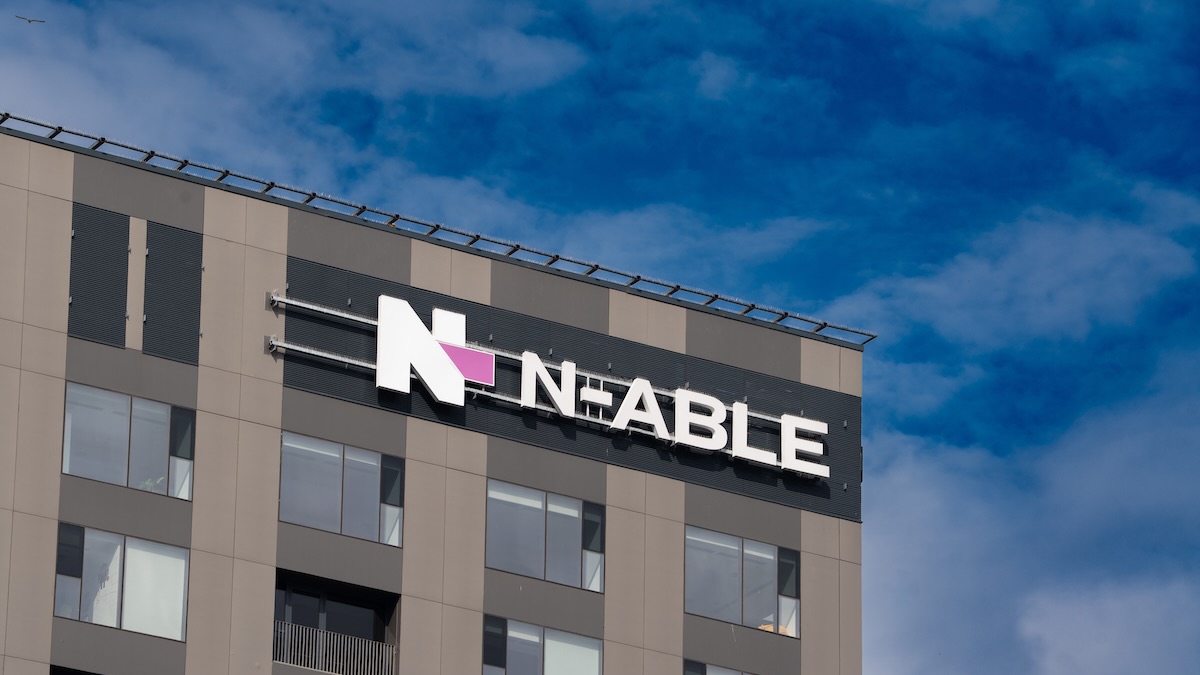
N-able blamed a cyberattack for a disruption that hit Mail Assure and SpamExperts Hosted Cloud and could have led to credential theft. Read that again if you run an MSP or you are one. The product in front of the mailbox is supposed to be the adult in the room. When that plane is in an incident, every downstream customer inherits a credential problem they did not detect and cannot patch.
Your spam filter is an identity store
Mail security consoles hold API keys, admin passwords, impersonation rights, and enough message metadata to rebuild a directory. Credential theft there is not a side quest. It is a path into the inbox, the reset flow, and every SaaS app that still trusts “the user clicked the link we sent.” If you only hunt brute-force storms on your own VPN, you are watching the door your staff uses and ignoring the door your vendor left labeled “admin.”
This is a bad look for any shop that still files vendor outages under “their problem, our inconvenience.” The card brands just told you the leak is a third-party event with first-party consequences. N-able just told you the filter can become the incident. TfL just told you a public-facing photocard site can hold a quarter-million identities, including kids, behind a website you can switch off too late.
A Vendor Outage Is a Cybersecurity Event You Own
Stop waiting for the vendor’s status page to become your timeline. You need a playbook that fires when their admin plane blinks, not when your SIEM finally ingests their PDF. Security hardening here is boring on purpose. You already know how to rotate a key. You keep skipping the keys that live in someone else’s cloud.
Do this on the next business day, then keep doing the parts that decay:
- Inventory the systems that can dump you. List every third party that stores customer PII, payment data, photos, credentials, or mail. Name an owner, a contract clause, a log source, and a kill switch you control (SSO revocation, API key disable, DNS cut). If a row has no owner, that vendor is already unmonitored.
- Pull your own evidence before they “contain.” Export admin audit logs, API usage, and authentication events for the 72 hours before any vendor takedown. If you cannot get those logs without a support ticket, you have no independent threat detection on that relationship. Demand continuous log delivery in the contract; screenshot-only IR is theater.
- Assume credential theft and rotate on your side. After a hosted mail, spam, or identity-adjacent incident, rotate service accounts, API tokens, and admin MFA that ever touched that tenant. Disable standing admin roles. Watch for password-reset mail and inbox rules. Your firewall will not see a session that authenticates as a stolen help-desk user on a SaaS console.
- Classify children’s and elder data as a separate blast radius. TfL’s photocard file mixed Zip cards for kids with 60+ cards. If a vendor holds photos or concession IDs, treat that store like regulated identity, with shorter retention, separate encryption keys, and a tested takedown that cuts data access, not just the public URL.
- Keep pressure on the vendor admin plane. Enforce SSO, phishing-resistant MFA, IP allow lists, and lockout on their portal. Alert on new admins, mass exports, and brute-force against that login. Review those alerts on the same cadence as your own IdP. Defense in depth that stops at your rack is a drawing, not a program.
Ongoing work is the part most teams skip after the press cycle dies. Rehearse a vendor-side incident in tabletop form: who calls legal, who notifies customers, who can disable the integration at 2 a.m. without the vendor’s blessing. Measure mean time to your credential rotation, not mean time to their blog post. If Ruby or any other interpreter in your own stack needs a patch the same week, you still patch it. Vendor drama is not a freeze on work you actually control.

None of this requires a new platform. It requires you to stop treating hosted security products as a moral sink. When the filter, the processor, or the photocard portal is in trouble, the incident is already yours. Write it that way in the runbook before the next status page goes yellow.
Frequently Asked Questions
- Does taking a compromised site offline still matter?
- Yes. Kill the live path so the attacker stops paging through records you still host. Pair the takedown with log preservation, credential rotation, and a scoped dump of what the app could access. An outage without forensics is a press move.
- If a bank or card network blames a vendor, are we off the hook?
- No. Customers, regulators, and attackers will still treat the brand they recognize as the responsible party. Your contracts, log rights, and rotation speed decide whether you can answer them with facts.
- How do we detect a vendor incident before they post a status update?
- Ingest their admin and API logs, alert on export spikes and new privileged users, and watch your own SSO for odd grants into that app. Health-check the integration path. Silence on a status page is not a detection signal.
Sources
- European Commission Confirms AI-Assisted Cyberattack Disrupted Services
- 265,000 Oyster photocard customers’ data exposed in Transport for London breach
- N-able Blames Service Disruption on Cyberattack
- JPMorgan, Visa, Mastercard Cite Third-Party Incidents Amid Data Leak
Take Control of Your Server Security
Don't let brute-force attacks slow you down. Try IPBan Pro risk-free for 30 days.
Secure. Automated. Lightweight.

Take Control of Your Server Security
Don't let brute-force attacks slow you down. Try IPBan Pro risk-free for 30 days.
Secure. Automated. Lightweight.